Additional information
| Weight | 1 lbs |
|---|---|
| Dimensions | 4 × 4 × 4 in |
| Height | |
| Light | |
| Moisture | |
| Color | |
| Bloom Time |

| Weight | 1 lbs |
|---|---|
| Dimensions | 4 × 4 × 4 in |
| Height | |
| Light | |
| Moisture | |
| Color | |
| Bloom Time |
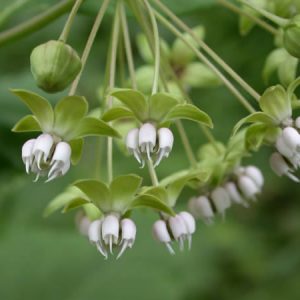
Poke Milkweed is native to Michigan and can also be found throughout the eastern portion of the United States and Canada. It is most often found at the edges of forests and upland woods and is one of the few milkweeds that prosper in shaded conditions. Tall and elegant with drooping flowers that are white with pink accents and extremely fragrant, this milkweed is a popular nectar source in addition to being a host plant for the Monarch butterfly. This is a non-aggressive milkweed and once established, plants are known to survive for decades.
Available – May 2017
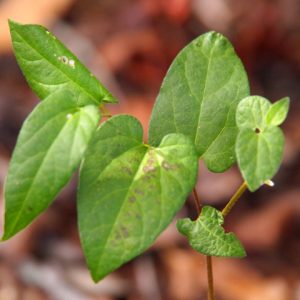
Virginia Snakeroot is one of several species of vines known as “pipevines.” This species grows up to 18 inches tall and has thin, heart-shaped leaves. The stems of the plant tend to zig-zag.
Aristolochia serpentaria is a host plant to the beautiful Pipevine Swallowtail butterfly. It has a wide distribution throughout the United States and is a good shade ground cover for native gardens.
Grown in 4.5″ square pots.
All of our plants are grown without harmful pesticides.
Shipping begins Mid-May.
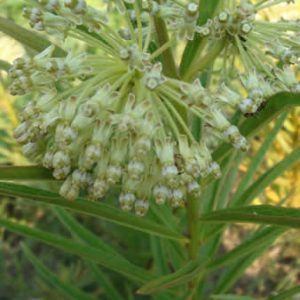
Asclepias hirtella Tall Green Milkweed is a Michigan native although it is considered threatened in the state. Tall Green Milkweed is found throughout the Tallgrass Prairie region in open areas, usually in prairies or remnants of prairies and throughout the midwest. Though not as well known as other varieties of milkweed, Tall Green Milkweed distinguishes itself with abundant clusters of green-white flowers that attract many butterflies and bees.
Other Common Names in use include Green Milkweed.
Available May 2017
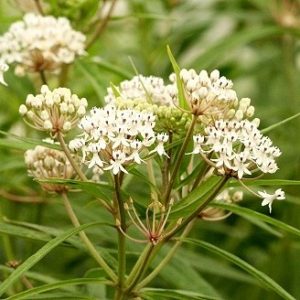
Aquatic Milkweed is a petite white milkweed suitable for wet soils. It survives in water and will grow in light-sandy and medium-loamy soils. Native to stream sides it is generally most common in lightly shaded woodlands near streams. This little milkweed is a great performer, being shade tolerant and flowering spring through autumn.
Available to ship mid-late June.
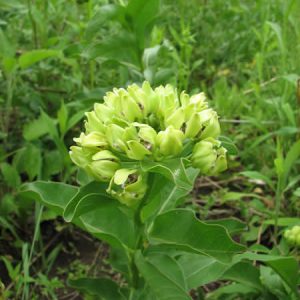
Spider Milkweed is also commonly known as Green Antelopehorn Milkweed. In Texas, it is quite common and is considered an important food source for the Monarchs as they start their spring migration northward. Spider Milkweed has a native range of Texas north to Nebraska and eastward as far as West Virginia and South Carolina. It can be found along roadsides, ditches, prairies, open areas, and other areas with little vegetative competition. This species tends to be short (12 inches) with multiple stems emerging from the root crown of mature plants. Taller, more erect plants, usually with one or a few stems, can be found in moist prairies. Spider Milkweed features rose-white flowers surrounded by green that form in showy umbellated clusters, often one per plant.
Available – May 2017
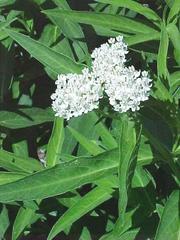
‘Ice Ballet’ is an elegant, long-blooming, bright white cultivar of native Asclepias incarnata (Swamp Milkweed) and features a compact habit and dark green foliage. Swamp milkweed occurs throughout most of the United States. It is a tall plant found in moist habitats such as wet meadows, floodplains, riverbanks, pond shores, stream banks, wet woods, swamps, and marshes, although it will also grow in drier areas such as prairies, fields, and roadsides. Asclepias incarnata needs full sun or partial shade to flourish. Flowers are very attractive to butterflies and bees as a nectar source. Swamp milkweed is also an important food source for the larval stage of Monarch butterflies. The plants are deer resistant and heat tolerant.
Available – May 2017
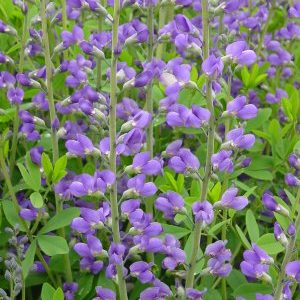
Wild Indigo Duskywing / Eastern Tailed-Blue / Orange Sulphur / Clouded Sulphur / Frosted Elfin / Hoary Edge
Blue spikes of pea-shaped flowers resemble the tall racemes of lupines in May and early June. A slow to mature, but very rewarding native garden perennial. Found in open woods, river banks and sandy floodplains, New York to Nebraska to Georgia.
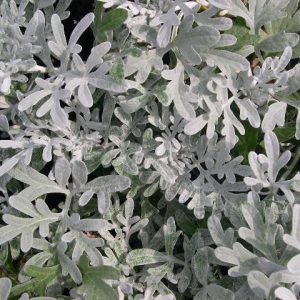
Host Plant – American Lady
Features to Note:
General Information:
Artemisia are prized for their aromatic silver leaves, excellent texture and vigorous growth. This perennial does not flower conspicuously but are used for their contrasting foliage. Also excellent in flower arrangements.